
It’s hard to believe that I’ve been in Romania for 10 days now, and I’m genuinely relishing every moment of it. Each day brings a sense of accomplishment, whether I’m mastering the tram system or attempting to converse in Romanian. Surprisingly, I’ve found plenty of opportunities for socializing, thanks to the Erasmus Student Network, which has been diligently organizing events for incoming students in Timișoara—I’ve made the most of these events to meet new people and learn about everyone.
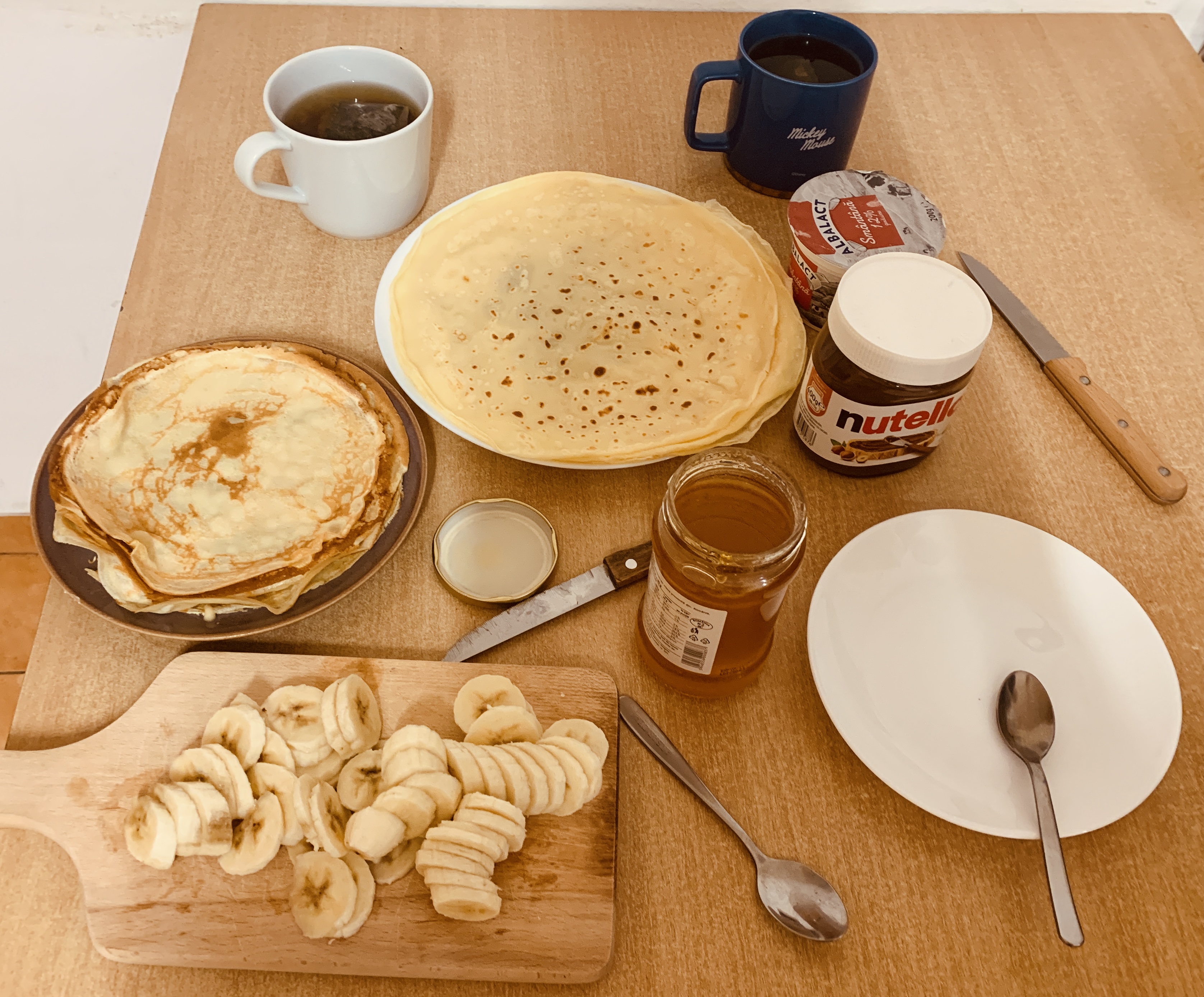
My roommates are incredibly sweet and thoughtful, and I truly enjoy their company. Just the other night, we made crepes together, which took me back to my undergrad days filled with late-night pancake sessions. Adding to the charm of our experience is our dormitory cat, who visits us at night, scratching at our door—proving that the language of cats is indeed universal.

With each day, comes new experiences and lessons. Going to the grocery store has been a nonstop adventure navigating cultural differences. The other day I set the alarm off at the store when I tried walking out with my little grocery cart. It was certainly comical trying to explain that in the United States you are considered rude if you don’t put your cart back.
I’ve been fumbling through the Romanian language but trying my best to speak in basic phrases. I find the language very interesting, yet challenging. Romanian is a Romance language, evolved from Vulgar Latin, similar to other Romance languages like Italian, Spanish, French, and Portuguese. It is primarily spoken in Romania and Moldova, where it is the official language. There are also Romanian-speaking communities in Ukraine, Hungary, and Serbia, to name a few. While it shares many similarities with other Romance languages, Romanian has a significant number of Slavic, Greek, Turkish, Hungarian, and Albanian words, due to historical influences and interactions. The Romanian language illustrates the complexity and uniqueness of its dialect, highlighting its linguistic heritage and the cultural influences it has absorbed over the centuries. I try to make an effort everyday to speak it, even though I probably sound funny.
This week we had a welcome meeting at school and several people from various departments spoke about the services offered to us on campus and what they can provide. I was anxious to start classes as this week also marked the start of the new semester and classes were resuming. The incoming Erasmus students had to wait for a meeting with the department coordinator of our respected faculty to finalize classes and get a signature to officially be enrolled. My faculty, Governance Studies and Communication Sciences, was holding our meeting on Friday at the end of the week, so we had a free week to ourselves. It seems as if we were in a holding pattern waiting for further instruction. While this was great for free time and exploring, some of us were anxious about what we were already missing in class.
Thankfully, I was invited to sit in on some classes that started that week and I sat in on a class taught in Romanian, Sistemul European al Drpturilor Omului, or, the European System of Human Rights. It was interesting sitting in on the class not really understanding what was being said. I was able to use Google Translate which picked up about 50% of the class, and I understood the basics of what was being discussed. Even though sitting in a class being taught in a foreign language is extremely challenging, it’s forcing me to listen in a different way. I observed body language, hand gestures, and facial expressions as well as using my technology to understand. I am excited about what I can learn from observing and listening for the next few months.
Thursday was an enriching day filled with lectures that helped ease my initial nerves about being in the classroom. After one of the sessions, my classmates gathered around and invited me to join them for coffee between lectures. I truly appreciated their warmth and hospitality, as well as their kindness in including me in the group. Our conversation blossomed into a spirited discussion about politics, and they eagerly shared insights into their culture and cuisine. It’s moments like these that truly make all the challenges worthwhile. Building connections and exchanging cultural experiences is incredibly important, especially during these trying times that we all face.
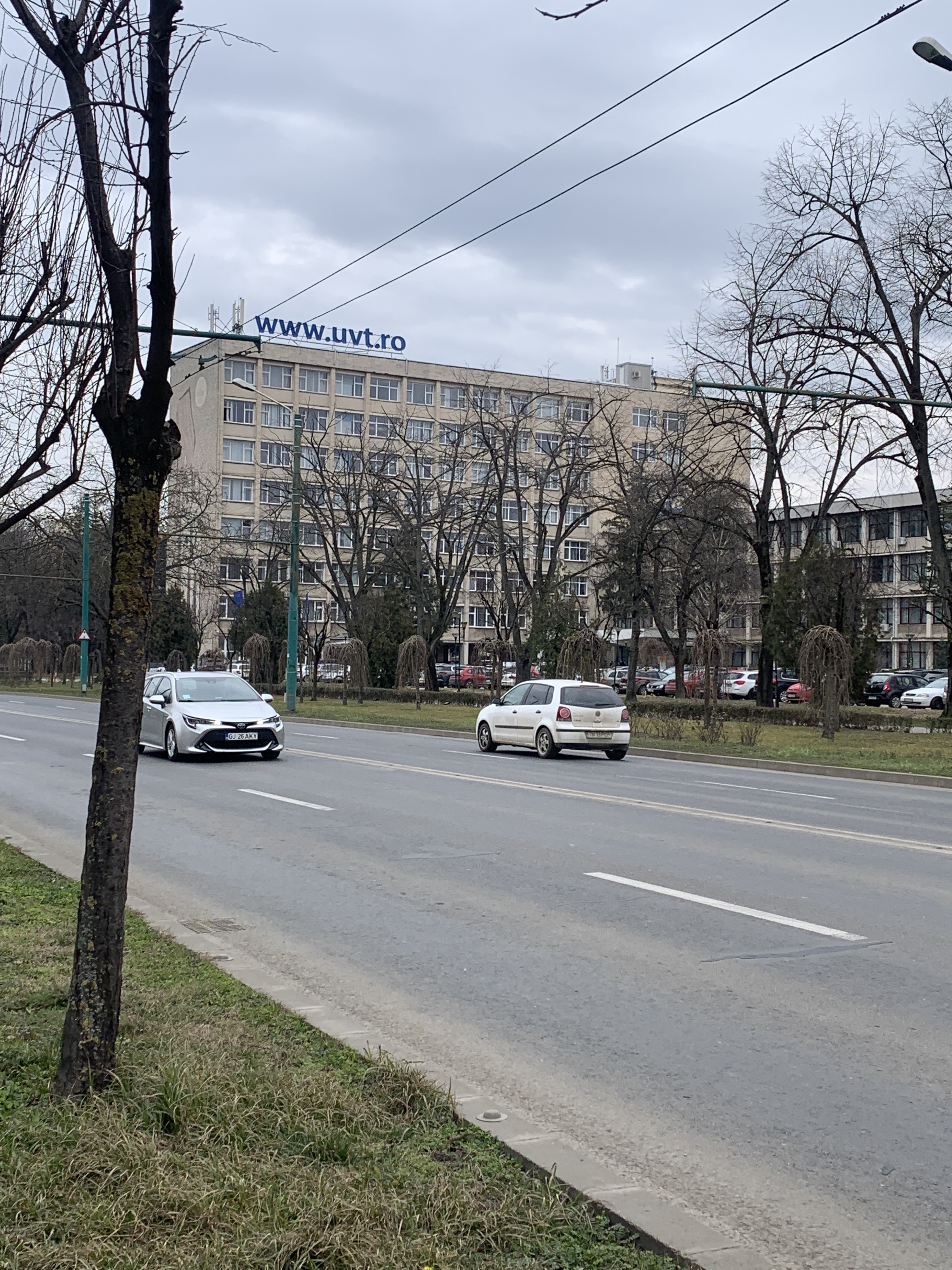
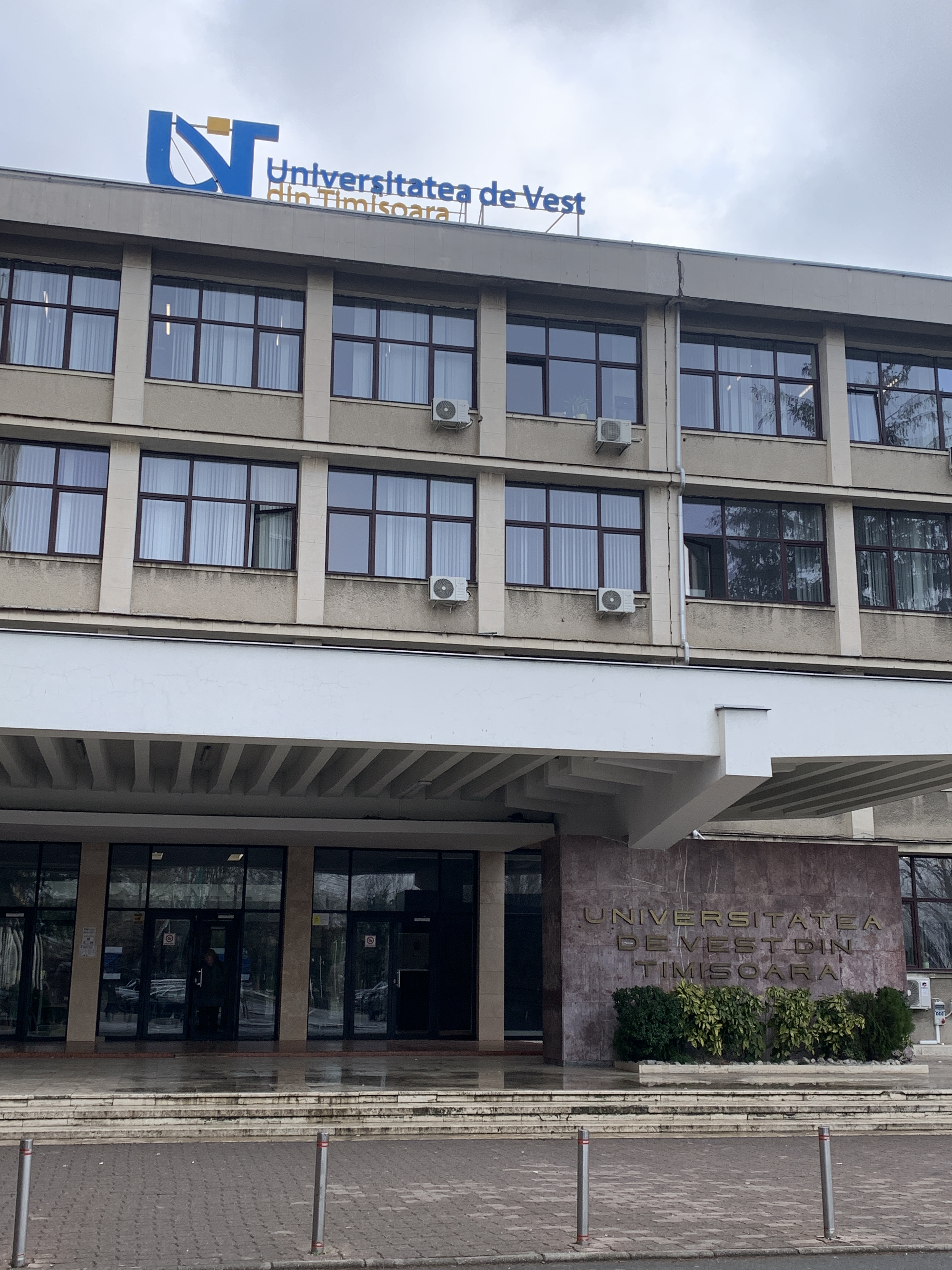
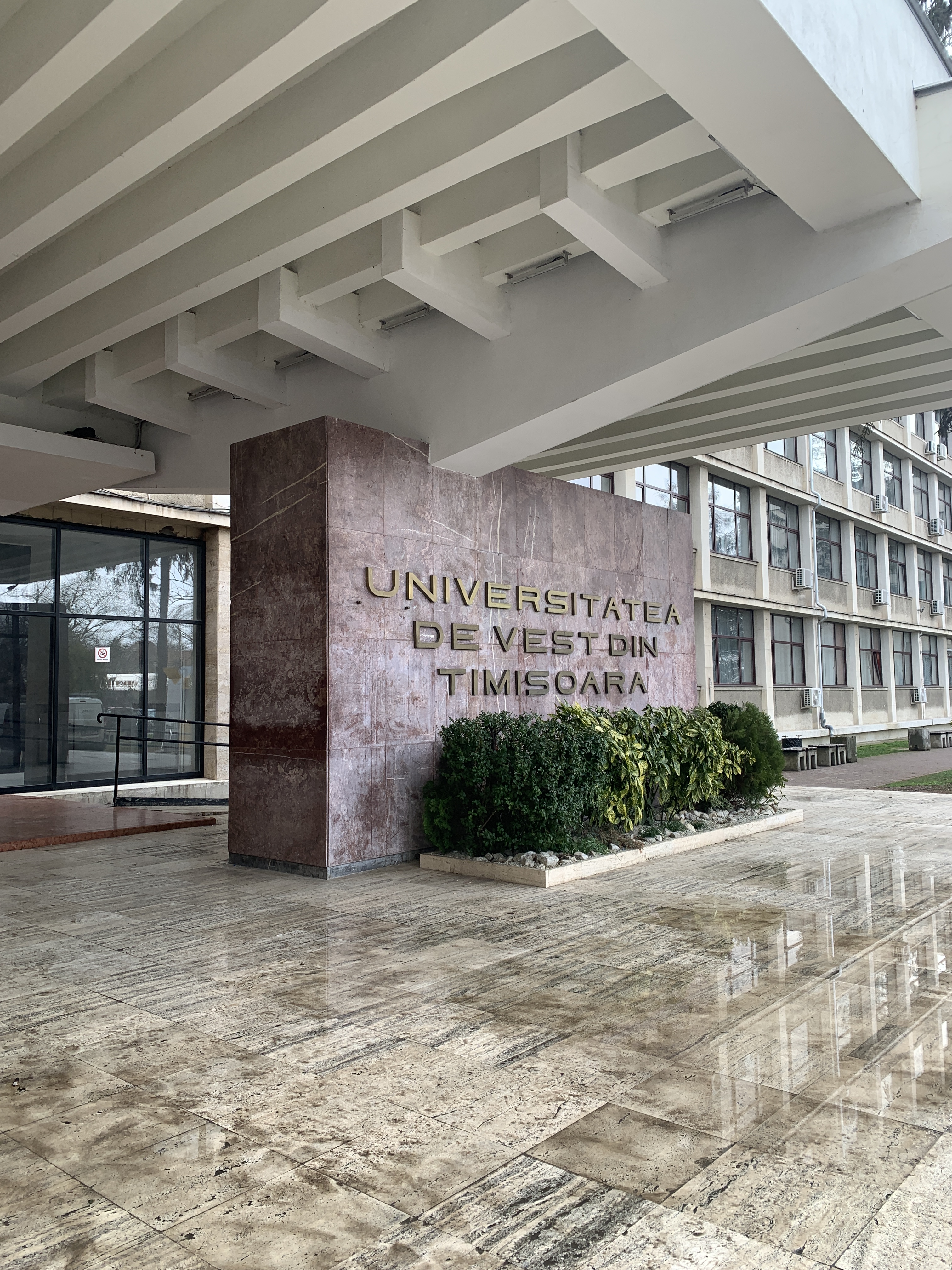
When the department meeting rolled around on Friday, I think we were expecting to officially be enrolled in the classes we chose so we could begin the term. Well, that wasn’t what panned out. The professor informed us that 99% of the classes offered are taught in Romanian and it’s up to the professors on whether they would like to accommodate Erasmus students and give assignments in English. Furthermore, we were not going to be enrolled in classes until we reached out to the respective professors asking if it was okay to join. Communication, he stated, could take up to a week — it seems as if we have entered another holding pattern. I consider myself one of the lucky ones, who was already able to sit in on the classes I am going to choose, and I just need the formalities signed off on to be enrolled. My roommate on the other hand, was very stressed as she was expecting to be taught in English. At the time, my reaction to this meeting was shock, and it was the definition of “this could have been an email.” I understand that there are cultural differences in higher education between Romania and the U.S. that I might need to navigate.
From the article, “What are teachers like?” The Image of the Teacher in Romanian Culture, the author, Iliac Stroe, describes three different student-teacher relationships that have evolved over the past three generations. For the baby boomer generation, who were schooled during the totalitarian regime of the 1950s and 1960s, teachers were viewed as authoritative figures endowed with undisputed knowledge. These male, middle-aged educators operated from the front of the classroom, commanding respect and obedience from their students, who were discouraged from questioning their authority.
In contrast, the X generation, educated during the 1970s and 1980s, experienced a different kind of teacher. Typically female, these educators balanced discipline with a nurturing approach, often establishing an emotional bond with their pupils. While they enforced behavioral standards and could resort to punishment, they were also seen as figures of maternal concern and support, reflecting a more relational dynamic in the classroom.
Today, Generation Z students exhibit a markedly different attitude toward their teachers. They show less respect and are more willing to challenge authority, often referring to teachers disparagingly when they perceive inadequacies. In this context, teachers must work harder to earn student favor by being tech-savvy, sociable, and fair. Ultimately, the modern image of the teacher in Romania is multifaceted, interweaving respect with the need for continuous validation, competence, and the ability to connect meaningfully with students of varying ages.
Keeping this nuance in mind, I can react differently to the formalities of being enrolled in classes. While it’s a little frustrating to jump through hoops and to wait for permission, I can respect the student-teacher hierarchy and the building of rapport in Romanian culture.
While it may appear that I’ve been enjoying an extended holiday while waiting for classes to start, I’m determined to make the most of this free time by exploring, indulging in delicious food, and socializing. Although I’m eager to dive into a multitude of projects, I recognize the importance of slowing down and fully immersing myself in this new experience. This approach contrasts sharply with my life back in America, where the hustle and grind dominate daily routines. Embracing the European way of life will not only enhance my adaptability and flexibility but will also allow me to truly savor the richness of my surroundings.
 Run. Sip. Serve.
Leave a comment