
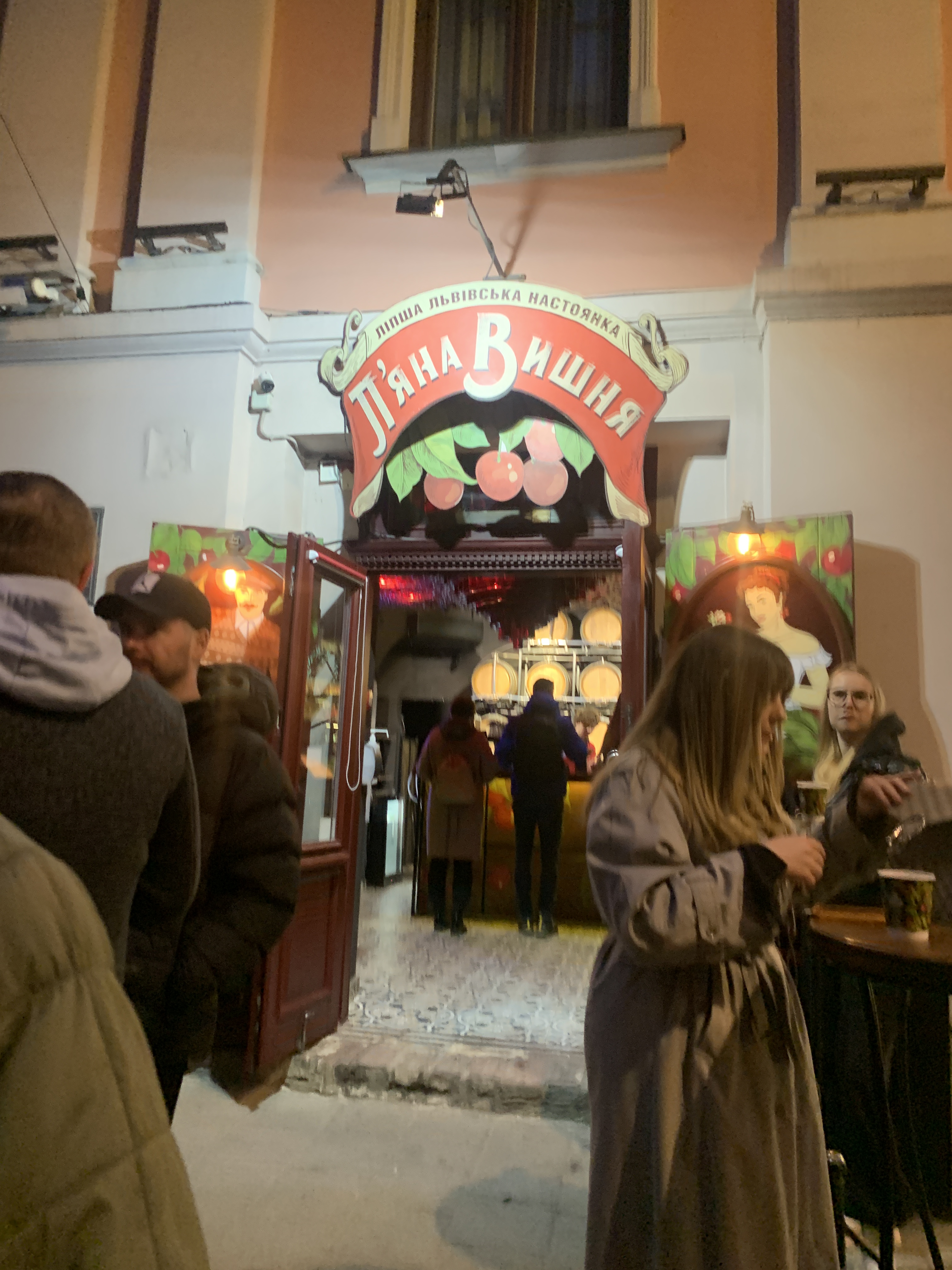
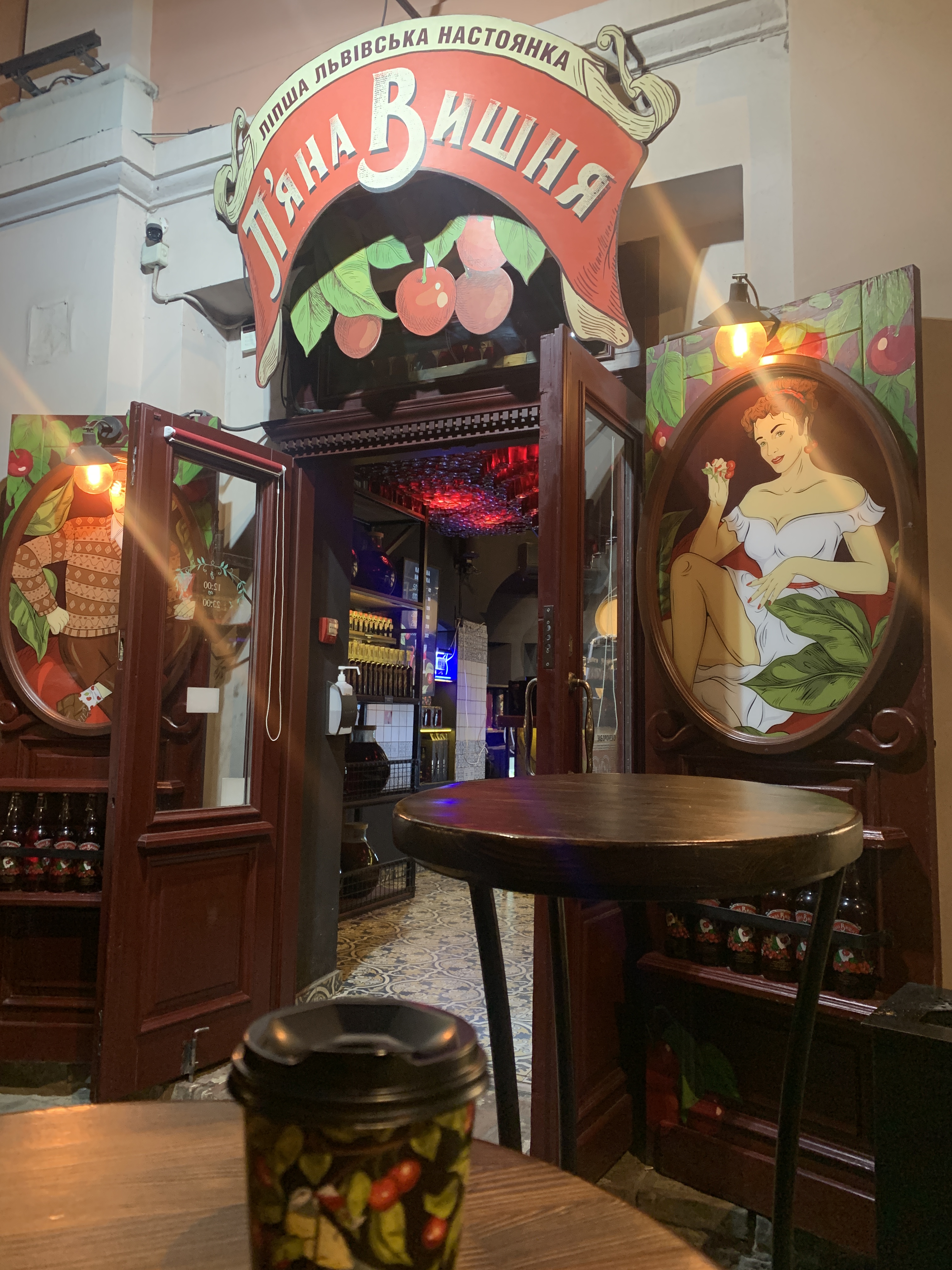
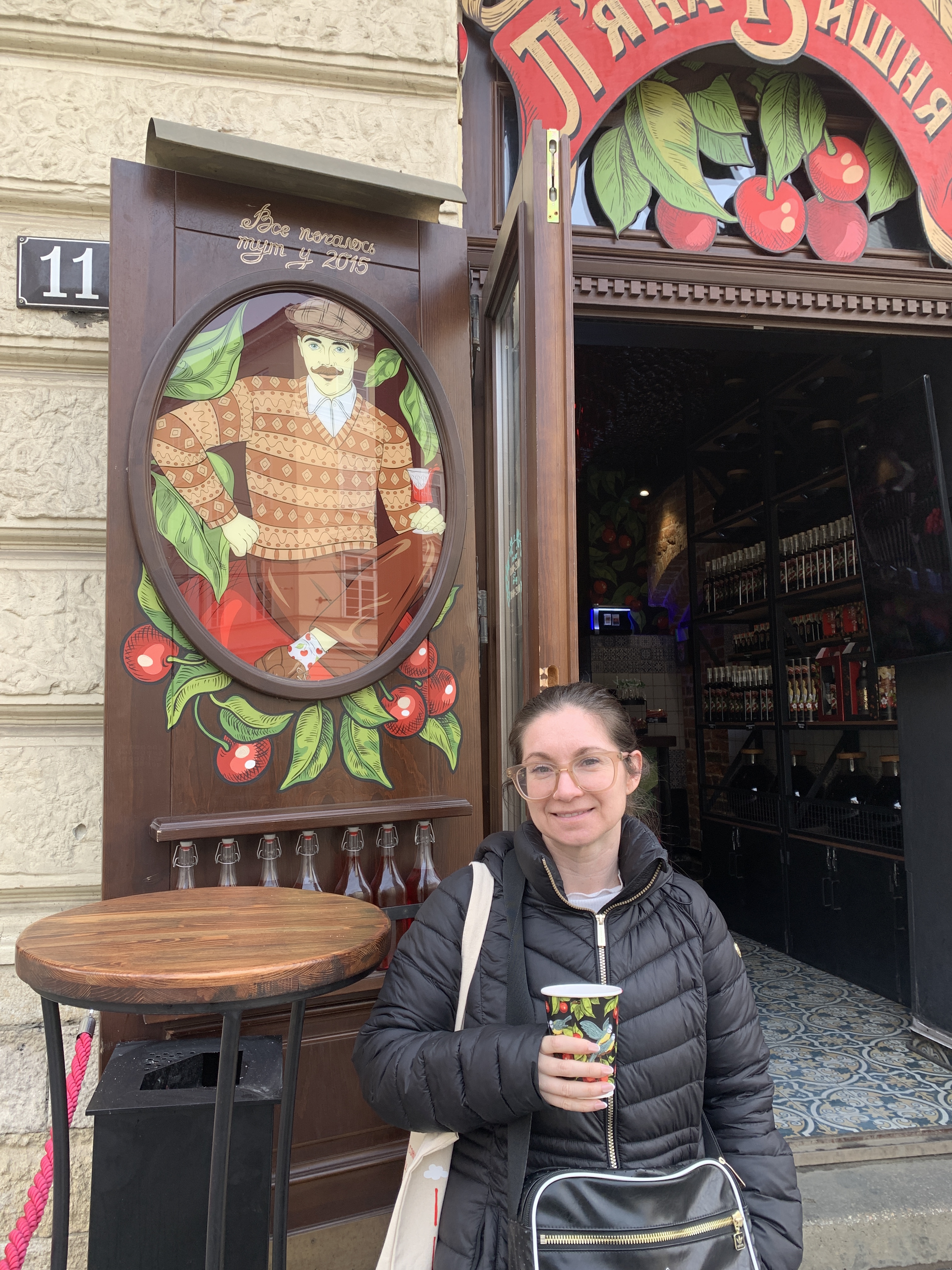
Piana Vishnia (П’яна вишня) is a popular Ukrainian cherry liqueur known for its rich sweet-tart flavor, deep ruby color, and smooth finish. Made by infusing sour cherries directly in high-quality alcohol such as vodka, brandy, or a combination of both, it delivers a natural cherry flavor that feels balanced rather than overly sweet. Unlike many common fruit infusions, Piana Vishnia is considered a refined style of “nalyvka,” blending real cherries with strong spirits for a drink that is both flavorful and potent. It’s traditionally served in small glasses, often with cherries still in the drink, and can be enjoyed either warm or cold depending on the season.
The little Piana Vishnia bars scattered throughout Lviv’s city center were always filled with people gathered around standing tables, taking a break from the hustle and bustle of the day. At night, music and laughter echoed through the streets as friends and strangers connected over a drink. Lviv felt vibrant, warm, and full of life. And I was hooked from the first sip. It was clean, smooth, and especially comforting served warm on a cold day. More than just a drink, it became a reminder that even in difficult times, life in Lviv continues with warmth, tradition, and small moments worth enjoying.
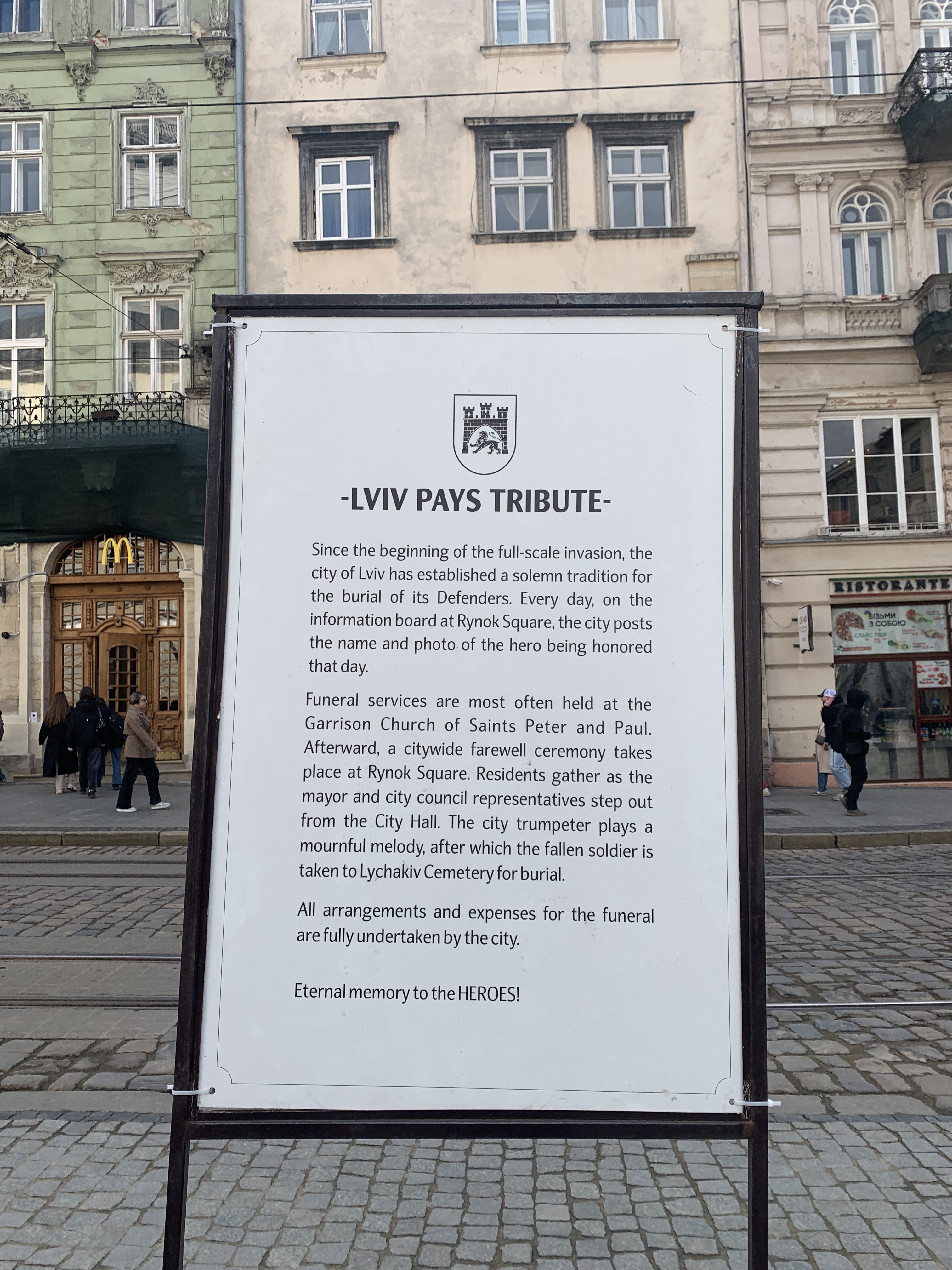
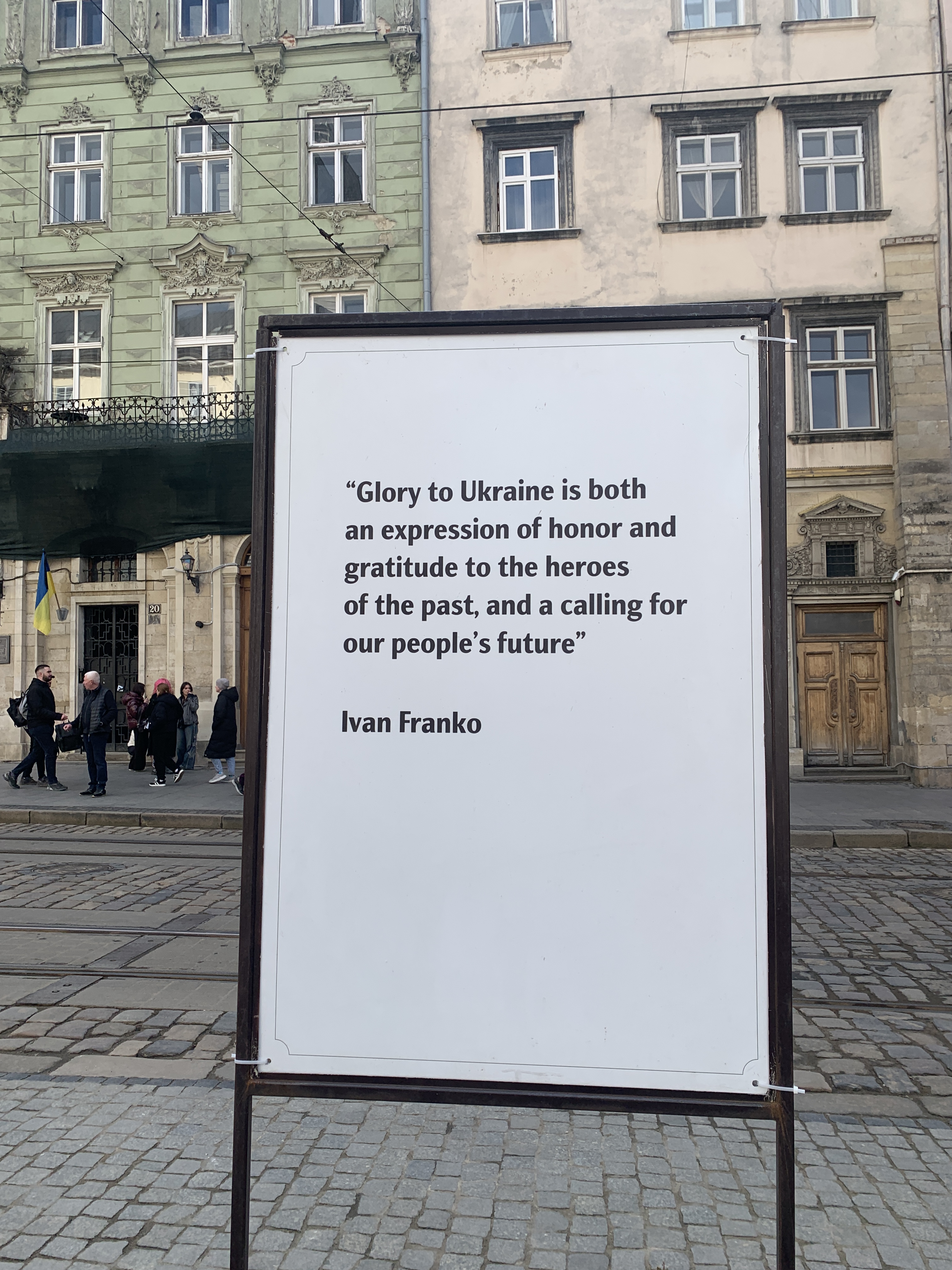
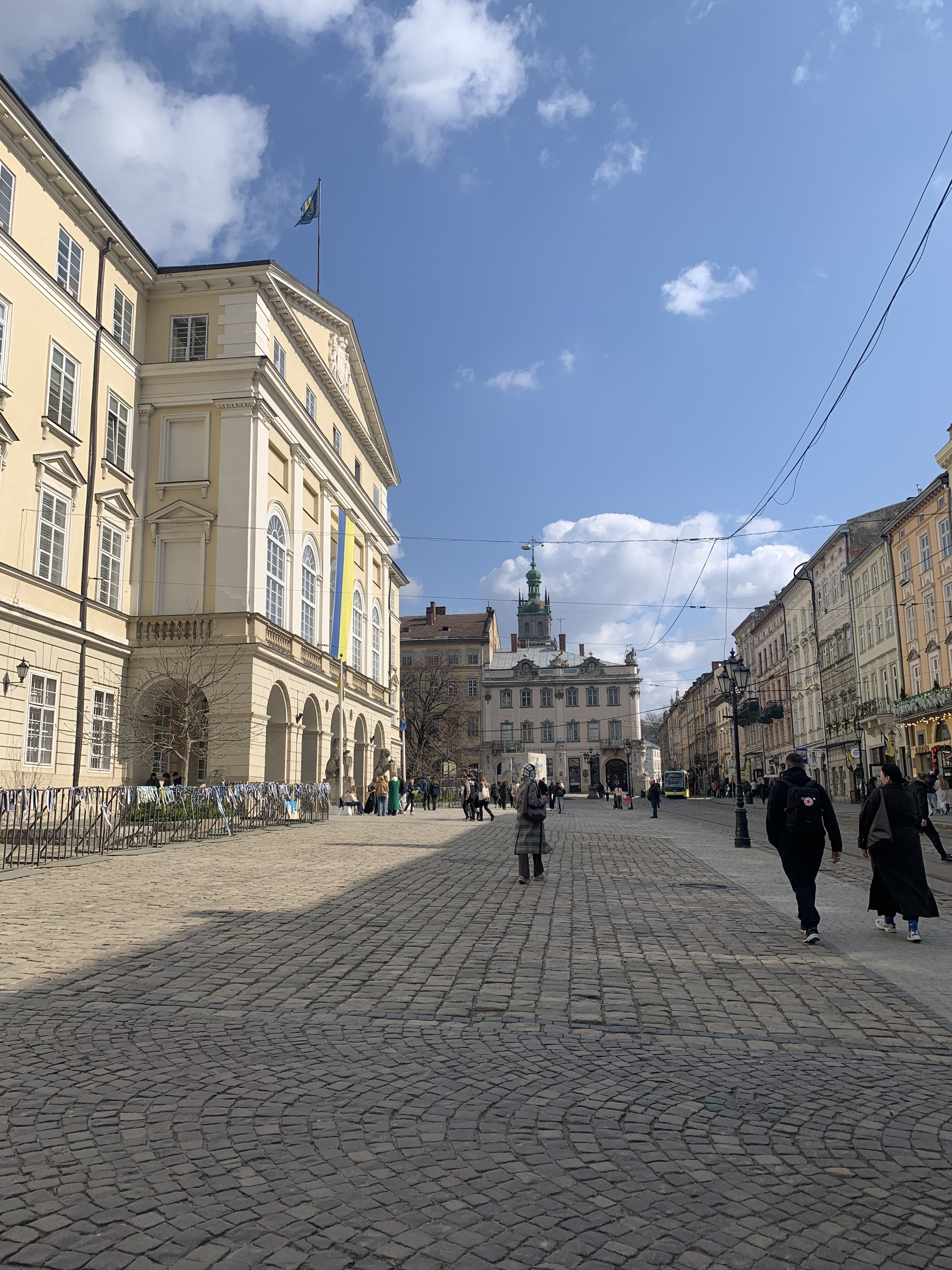
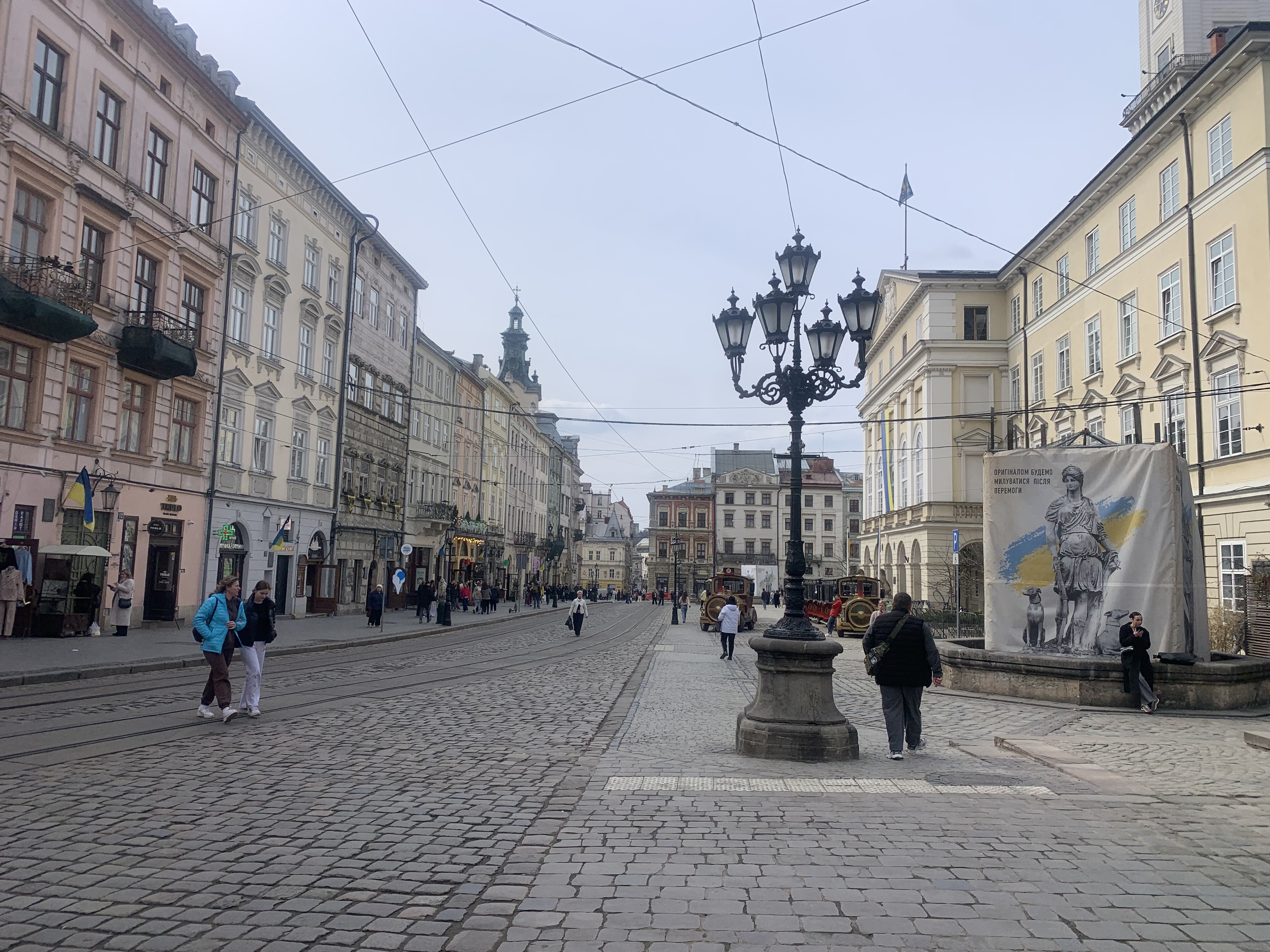
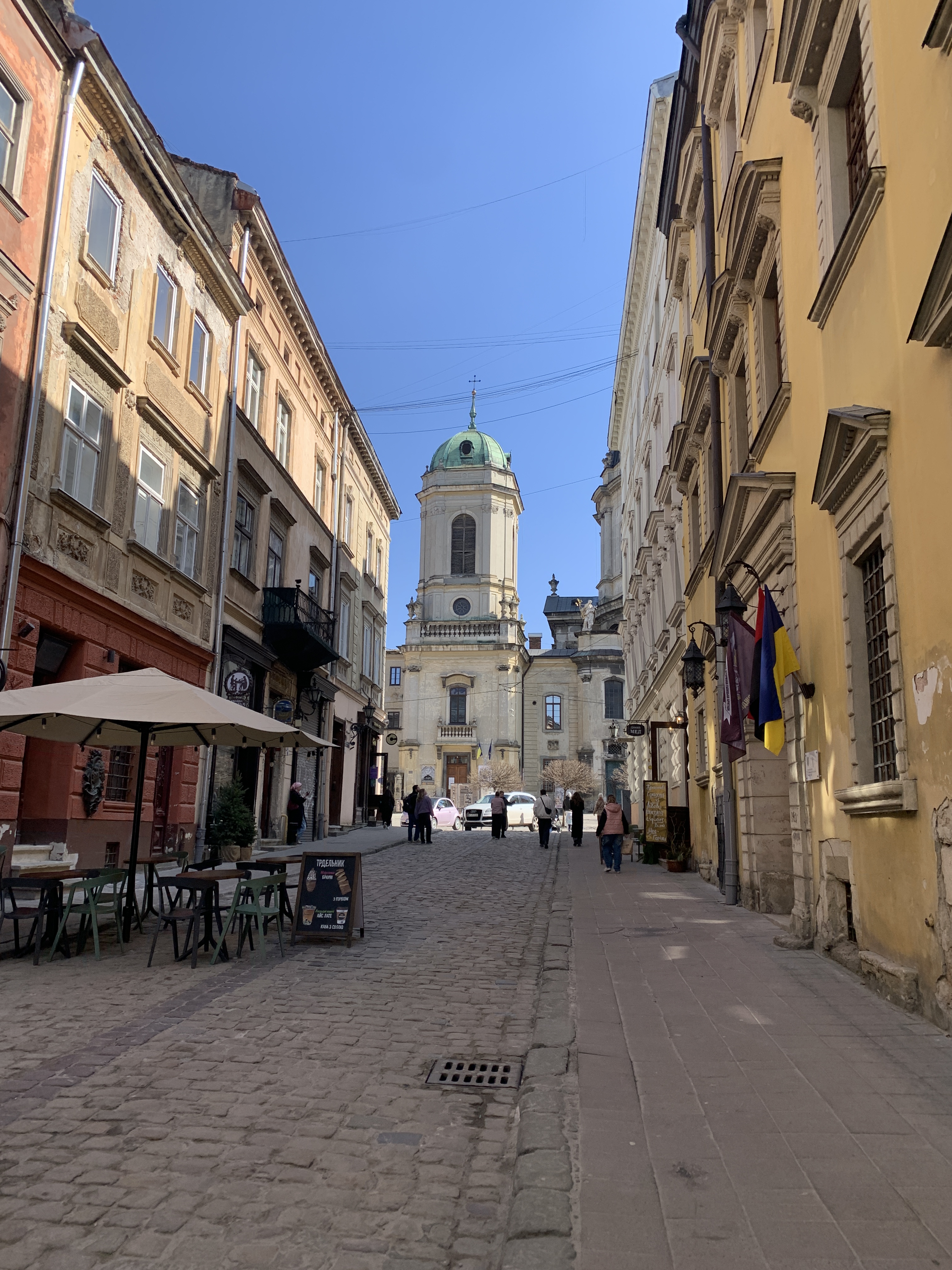
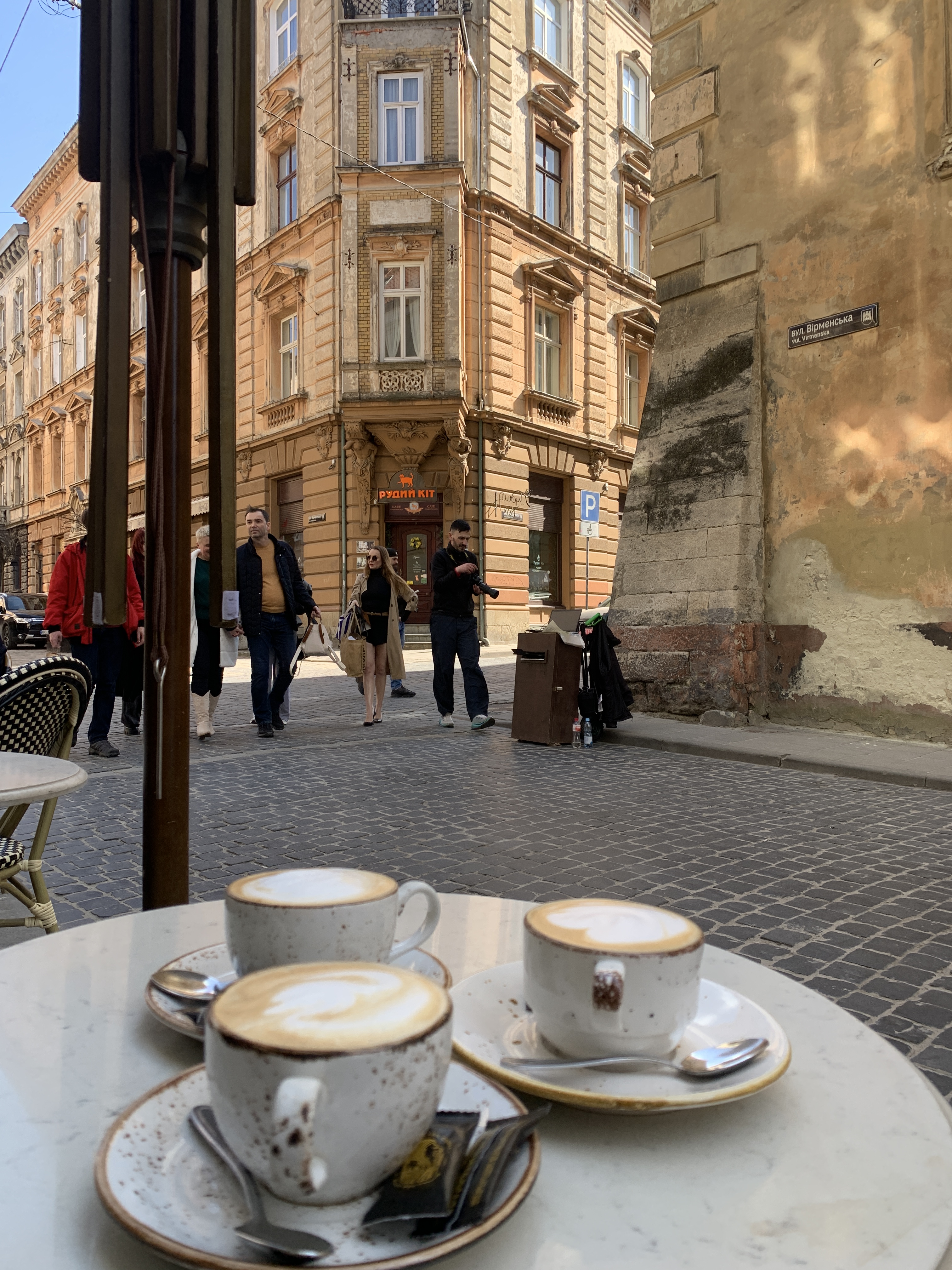
Lviv blends centuries of history with the energy of a modern cultural hub. Its cobblestone streets, ornate architecture, and centuries-old churches give it the charm of a classic European city, while its cafés, bookstores, and lively nightlife keep it feeling energetic and modern. Some people describe Lviv as a blend of Central and Eastern Europe, with the elegance of cities like Kraków or Vienna mixed with a distinctly Ukrainian identity and resilience. Walking through the city center, you’ll find hidden courtyards, street musicians, and small coffee shops tucked between colorful historic buildings. Throughout the city center, memorials honoring soldiers who lost their lives in the war serve as constant reminders of the realities Ukrainians face each day. Despite the hardships Ukraine has endured, Lviv still carries a strong sense of resilience, warmth, and community.
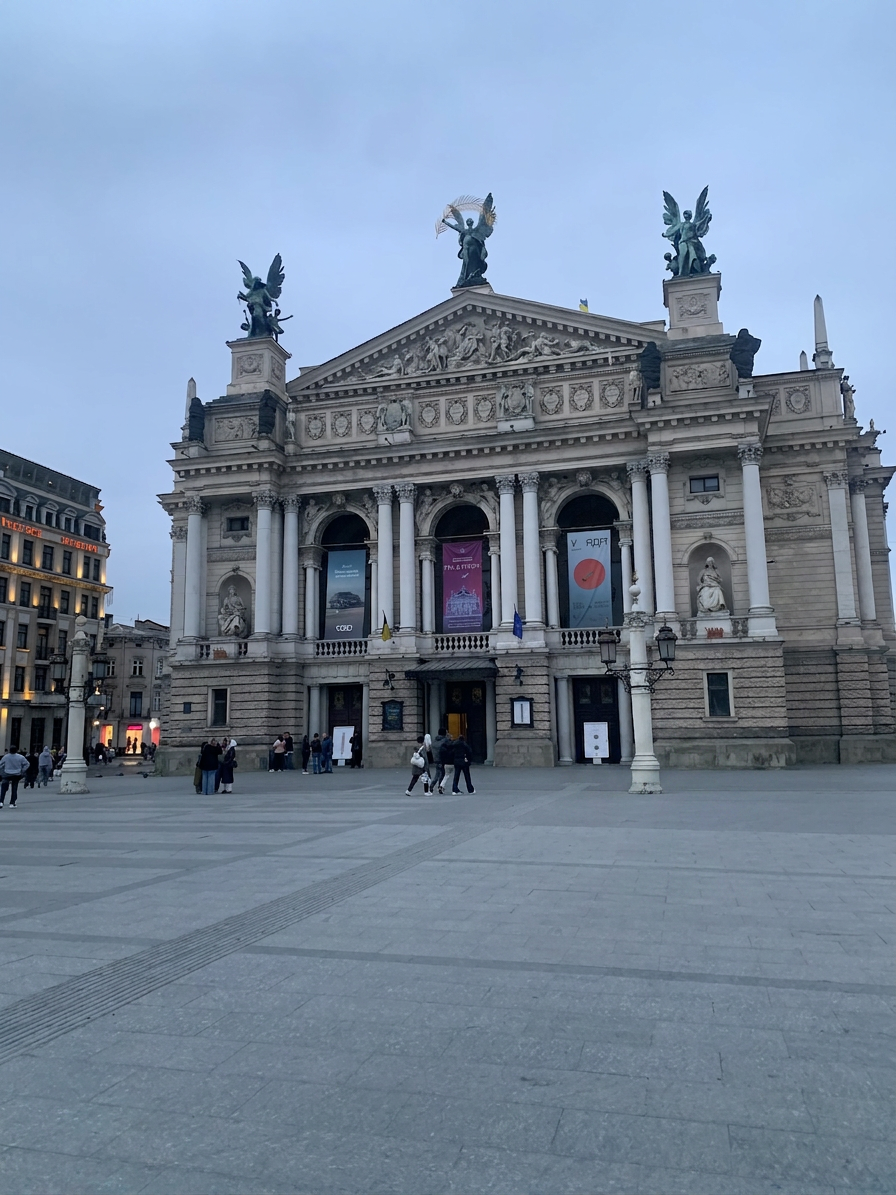
The centerpiece of Lviv is the stunning Lviv National Academic Opera and Ballet Theatre (Львівська опера), a grand opera house that reflects the city’s rich cultural history and Austro-Hungarian influence. Built at the turn of the 20th century, the ornate building is the focal point with its elaborate sculptures, arched windows, and elegant façade overlooking the busy city center. Whether illuminated at night or surrounded by people gathering on the square during the day, the opera house feels like the heart of Lviv and a symbol of the city’s enduring beauty and resilience. As they say in theatre, the show must go on.
In fact, Ukraine’s creative arts scene is more important than ever, as people turn to it both as a form of cultural resistance and as a way to process trauma. Even during war and uncertainty, performances continue in cities like Lviv and Kyiv, where artists use creativity to preserve language, identity, and national memory. Concerts, plays, murals, and poetry readings are not just entertainment, but acts of solace and resilience that remind people their culture is still alive and worth protecting. In many ways, the arts have become a quiet but powerful statement that Ukraine’s spirit cannot be erased.
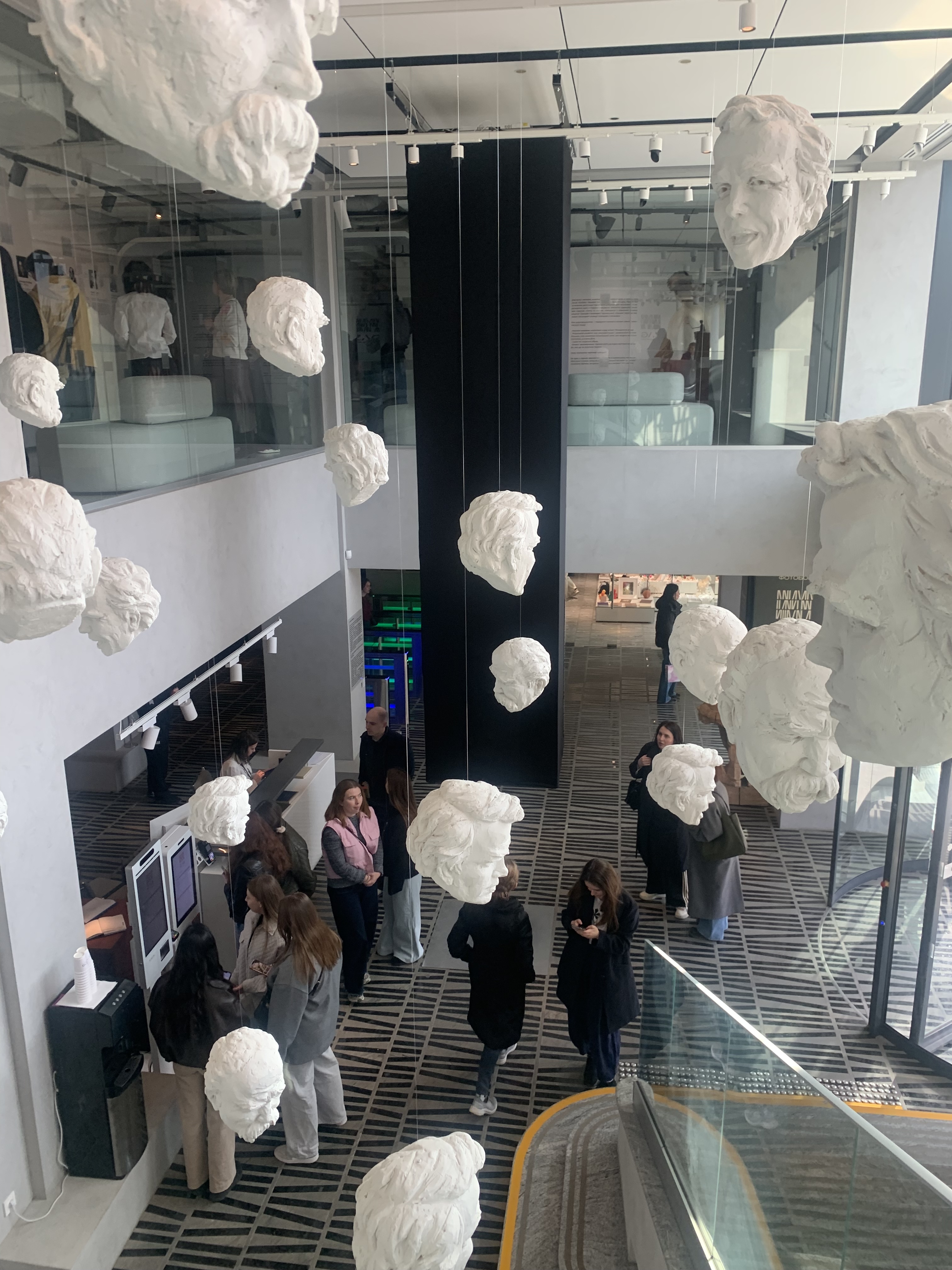
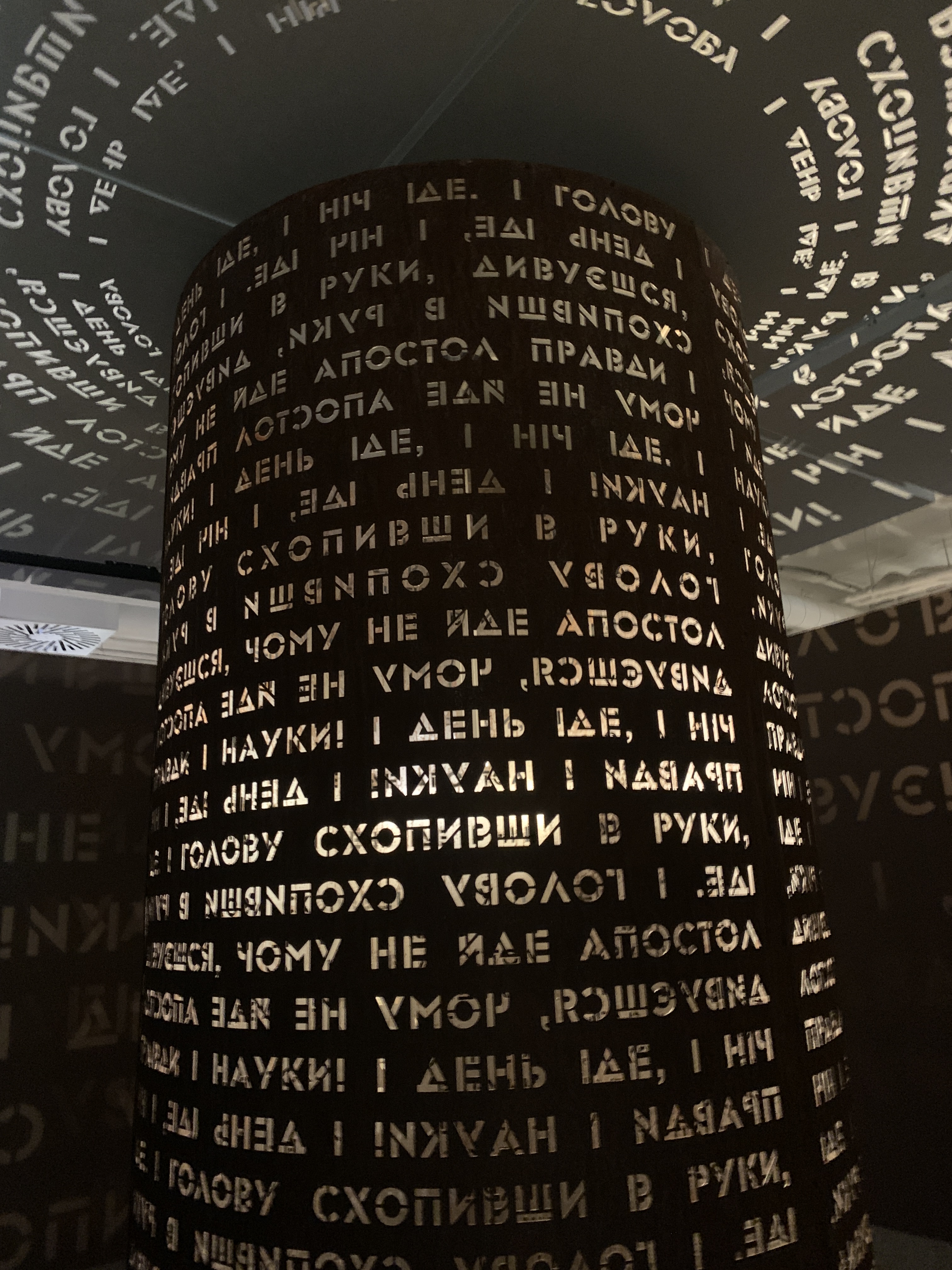
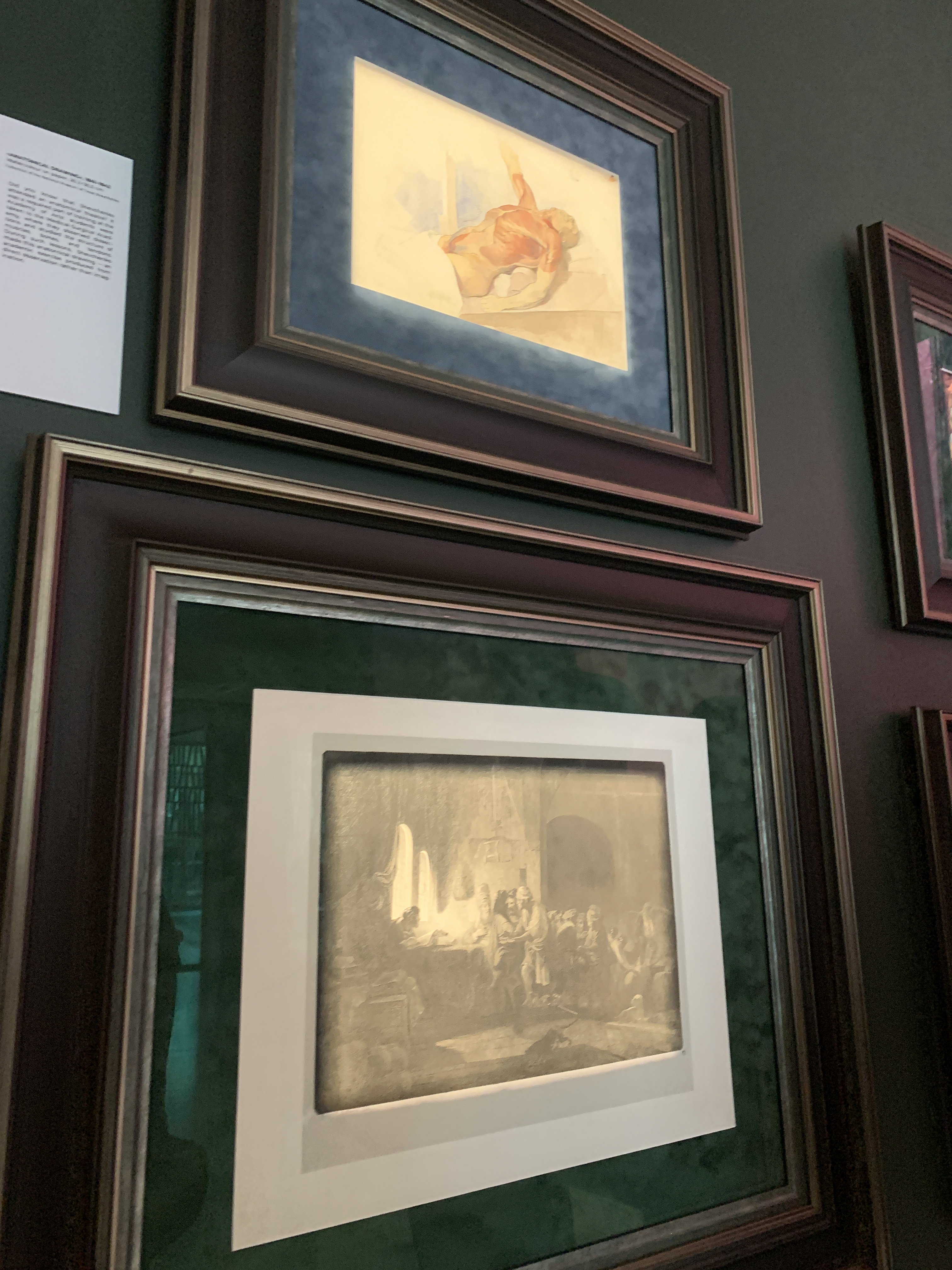
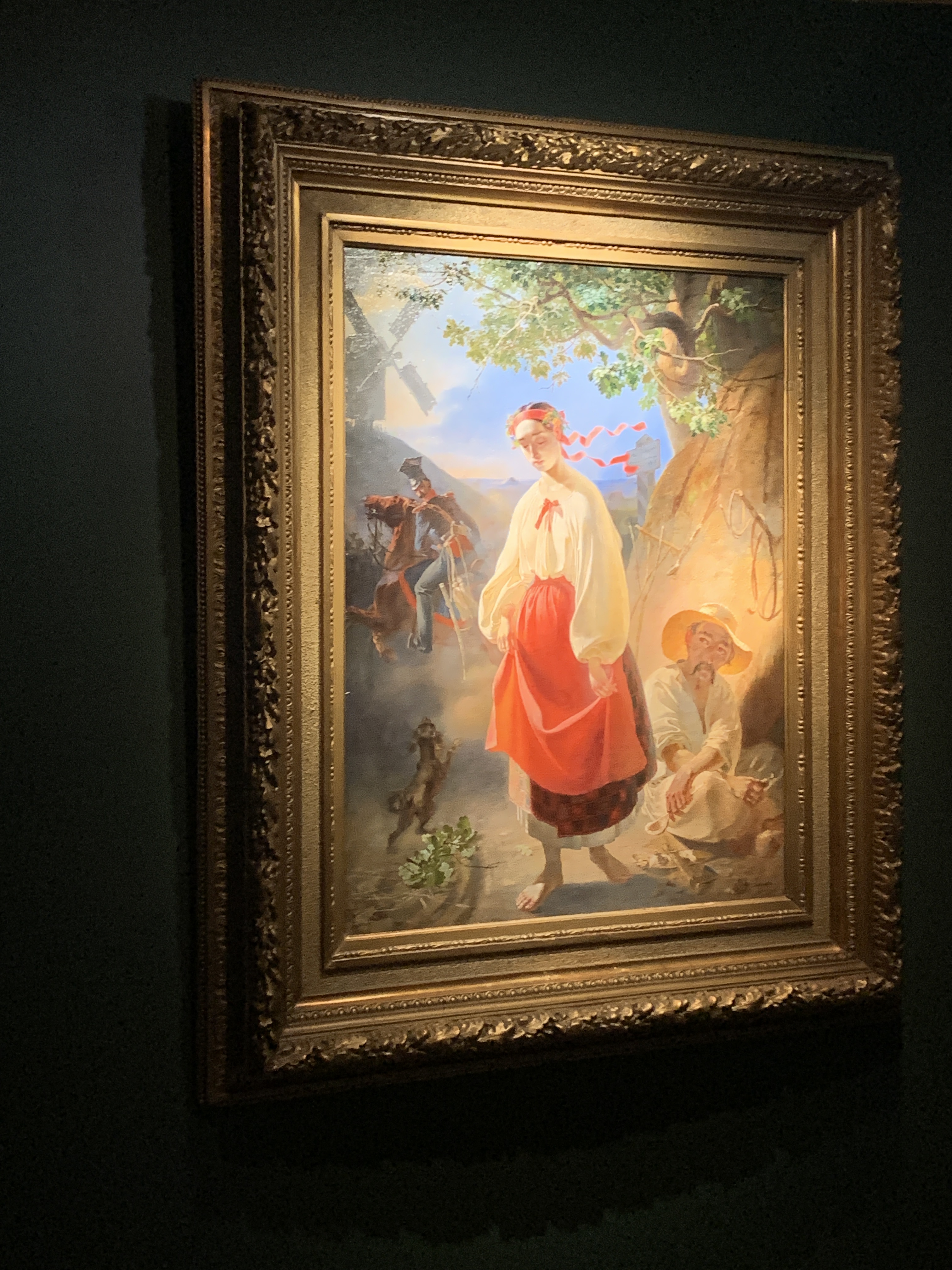
We were able to experience part of Lviv’s vibrant art scene by attending the HE: Taras Shevchenko. Artist. exhibition at ZENYK ART GALLERY. Taras Shevchenko is widely considered the father of modern Ukrainian literature and remains a powerful symbol of Ukrainian identity, resilience, and cultural resistance. The exhibition featured 58 paintings and graphic works from different stages of his life, including original etchings and paintings paired with digital materials that helped contextualize his work. It was a powerful reminder that Shevchenko’s influence extends far beyond literature, with his art and ideas still deeply relevant in Ukraine today.
What I noticed right away about Lviv was just how busy and alive it felt. Every day we saw school groups touring the city center, cafés packed with people, and locals going about their daily routines. The nightlife felt just as lively as any other European city, with music in the streets, loud laughter, and people gathering late into the evening. Ukraine does have a national curfew starting at midnight, so places tend to close earlier than in other parts of Europe, but the city still carried an unmistakable energy.
I’m not entirely sure what I expected before arriving, but I realized I had unconsciously pictured a country at war as quiet or frozen in time. Instead, Lviv was vibrant and full of life, with people still laughing, connecting, creating, and welcoming visitors from around the world. That contrast was one of the most striking parts of the experience.
In the end, it was often the simplest moments that stayed with me, like stepping into a small bar for a glass of Piana Vishnia, the warm cherry liqueur that felt both grounding and celebratory at the same time. With music in the air, people gathered around standing tables, and the city moving steadily around us, it became a quiet reminder of what Lviv is at its core. Between evenings at the theatre, a visit to the opera house, and time spent exploring galleries and exhibitions, the arts felt woven into everyday life rather than separate from it. Even in a place shaped by history and hardship, there is still space for creativity, connection, and small joys that linger long after the glass is empty.


Leave a Reply